Aluminium has become one of the most widely used materials across modern industries because of its lightweight structure, excellent strength-to-weight ratio, corrosion resistance, and versatility. From construction and manufacturing to automotive and aerospace applications, businesses rely on aluminium to develop durable, efficient, and cost-effective products. Its unique properties make it a practical alternative to heavier metals, especially when companies want to improve productivity and reduce operational costs.
As industrial requirements continue to evolve, manufacturers increasingly look for materials that offer long-term performance without compromising quality. Aluminium meets these expectations through its adaptability, easy fabrication, and excellent physical properties. Choosing a reliable Aluminium Supplier Singapore also helps businesses source quality materials that match their specific project requirements.
What Makes Aluminium Lightweight Yet Strong?
One of the biggest advantages of aluminium is its lightweight nature. It weighs significantly less than steel while providing excellent strength when manufacturers use suitable alloys and designs. This combination makes aluminium particularly useful in industries where reducing product weight can improve performance and efficiency.
For example, automotive manufacturers use aluminium components to reduce vehicle weight and improve fuel efficiency. Similarly, aerospace companies depend on lightweight aluminium alloys to manufacture aircraft structures and components.
Its strength-to-weight ratio also makes aluminium suitable for industrial equipment, structural frameworks, and machinery. Businesses can use it to develop strong products without adding unnecessary weight to their designs.
How Does Aluminium Provide Excellent Corrosion Resistance?
Corrosion can reduce the lifespan of industrial materials and increase maintenance expenses. Aluminium naturally forms a thin protective oxide layer when exposed to air. This layer helps protect the metal from further oxidation and improves its resistance to corrosion.
This property makes aluminium suitable for outdoor structures, marine equipment, transportation components, and construction applications. It can withstand many environmental conditions without requiring the same level of protective treatment as some other metals.
Manufacturers can also improve aluminium's surface performance through treatments such as anodising and protective coatings. These processes provide additional protection while enhancing its appearance.
Why Is Aluminium Important for Modern Manufacturing?
Modern manufacturing requires materials that support precision, flexibility, and efficient production. Aluminium offers excellent machinability and fabrication capabilities, allowing manufacturers to cut, drill, bend, weld, and shape it into different forms.
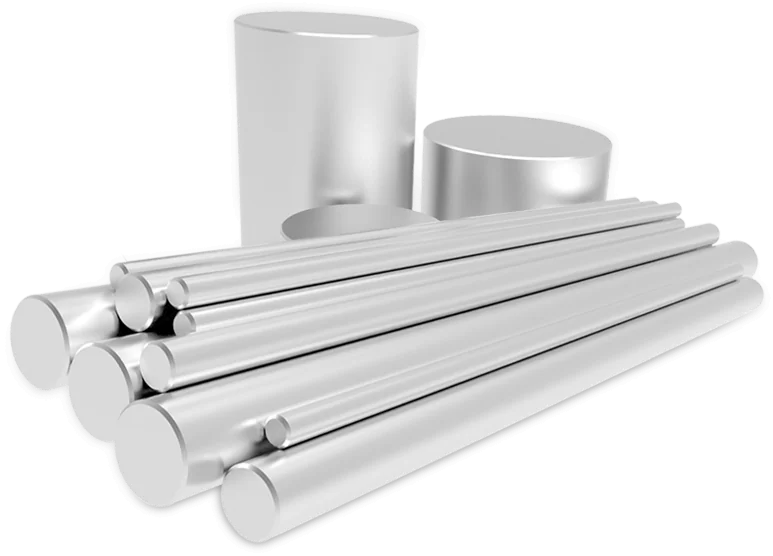
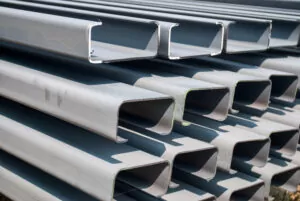
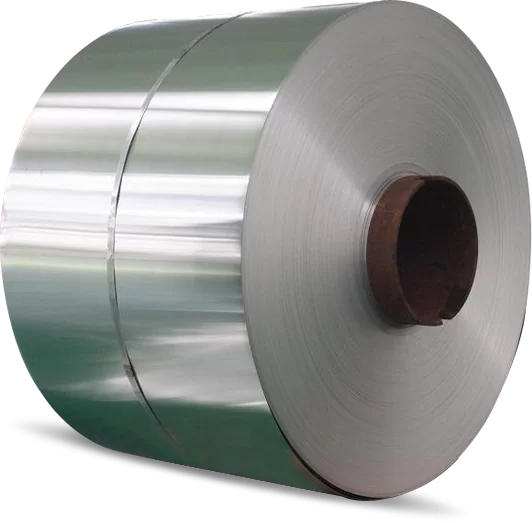
Businesses can use aluminium sheets, plates, bars, tubes, and other profiles to produce components for various applications. Its flexibility allows manufacturers to create customised products according to specific technical requirements.
Aluminium also supports different manufacturing processes, including extrusion, casting, and CNC machining. These advantages help businesses streamline production and develop products with consistent dimensions and quality.
Working with an experienced supplier such as Kian Huat Metal Pte Ltd can help businesses identify suitable aluminium products for their industrial needs.
Can Aluminium Help Businesses Reduce Operating Costs?
Material costs and long-term maintenance expenses directly influence industrial budgets. Aluminium can help businesses manage these expenses because of its durability, lightweight properties, and resistance to corrosion.
Its lower weight can reduce transportation and handling costs, particularly when companies move large quantities of materials or manufacture heavy equipment. In industries such as automotive and logistics, lightweight components can also contribute to improved energy efficiency.
Furthermore, aluminium generally requires less maintenance in applications where its natural corrosion resistance provides sufficient protection. Although its initial purchase price may vary depending on the grade, thickness, and market conditions, its long-term benefits can make it a valuable investment.
Businesses should compare material specifications, expected service life, and maintenance requirements before making purchasing decisions.
How Does Aluminium Support Sustainable Industrial Development?
Sustainability has become an important consideration for modern manufacturers. Aluminium supports environmentally responsible manufacturing because companies can recycle it repeatedly without significantly losing its essential material properties.
Recycling aluminium generally requires considerably less energy than producing primary aluminium from raw materials. This helps reduce energy consumption and supports resource conservation.
Many industries use recycled aluminium to manufacture automotive components, construction materials, packaging products, and industrial equipment. By incorporating recyclable materials into production processes, businesses can reduce waste and improve their environmental performance.
Its long service life and recycling potential make aluminium a practical choice for companies that want to balance industrial development with sustainability goals.
Which Industries Benefit Most from Aluminium?
Aluminium serves a wide range of industrial sectors because manufacturers can adapt it to different applications.
Some common industries that benefit from aluminium include:
- Construction: Builders use aluminium for doors, windows, roofing systems, cladding, and structural components.
- Automotive: Manufacturers use aluminium in vehicle panels, engine components, wheels, and lightweight structural parts.
- Aerospace: Aircraft manufacturers use specialised aluminium alloys for structural components and other applications.
- Marine: Aluminium supports boat structures, marine equipment, and other components that require corrosion resistance.
- Electrical: Manufacturers use aluminium in electrical conductors, cable systems, and equipment components.
- Engineering: Industrial companies use aluminium sheets, plates, bars, and profiles for machinery and customised fabrication.
Its versatility allows businesses to select suitable aluminium grades and product forms based on their operating requirements.
What Should Businesses Consider When Choosing an Aluminium Supplier in Singapore?
Selecting the right supplier plays an important role in maintaining material quality and ensuring smooth business operations. Companies should evaluate product availability, material specifications, quality standards, pricing, and delivery reliability before choosing a supplier.
A dependable Aluminium Supplier Singapore should offer different aluminium grades, thicknesses, and product dimensions to support various industrial applications. Businesses should also check whether the supplier can provide accurate product information and help them identify materials that meet their project specifications.
For companies comparing different metal options, working with a reliable Mild Steel Supplier Singapore can also help them understand the benefits of using aluminium and mild steel for different applications. While aluminium offers lightweight properties and natural corrosion resistance, mild steel provides excellent strength and is often suitable for heavy-duty structural applications.
Kian Huat Metal Pte Ltd is a name businesses can consider when exploring metal supply solutions for industrial and commercial requirements. Choosing a supplier with a suitable product range and dependable service can help companies maintain consistent material availability.
Is Aluminium the Right Choice for Your Industrial Project?
Aluminium offers several advantages that make it a preferred material for modern industrial applications. Its lightweight structure, strength-to-weight ratio, corrosion resistance, fabrication flexibility, and recyclability support the changing needs of manufacturers across different sectors.
However, businesses should always consider the operating environment, load requirements, material grade, and overall project budget before selecting aluminium. Comparing its properties with alternatives such as mild steel can help manufacturers make informed decisions.
By sourcing quality materials from a dependable supplier and selecting the right aluminium grade, businesses can improve production efficiency, maintain product quality, and achieve reliable long-term performance. Aluminium continues to play an important role in modern industrial development because it combines practical performance with flexibility and sustainability.