In modern construction and industrial design, choosing the right materials is essential for durability, efficiency, and long-term performance. Two of the most versatile and widely used components in various industries are expanded metal mesh and pipe flanges. These materials play a critical role in infrastructure, manufacturing, and architectural applications. By understanding their benefits and uses, businesses and engineers can make smarter decisions that enhance both safety and functionality.
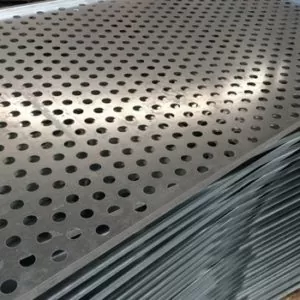
Expanded metal mesh is created by cutting and stretching a metal sheet into a diamond-shaped pattern. This process produces a lightweight yet strong material that maintains the integrity of the original metal sheet. One of the key advantages of expanded metal mesh is its excellent strength-to-weight ratio. Unlike woven or welded mesh, it does not unravel, making it highly durable and reliable in demanding environments.
Industries such as construction, automotive, and agriculture widely use expanded metal mesh for applications like fencing, walkways, platforms, and protective barriers. Its open design allows for ventilation, light passage, and visibility while still providing security and structural support. This makes it an ideal choice for projects where both functionality and aesthetics are important.
In architectural design, expanded metal mesh has gained popularity for its modern appearance and versatility. Designers use it in facades, ceilings, and decorative panels to create visually appealing structures. Its ability to be shaped and coated in various finishes adds to its appeal, making it suitable for both indoor and outdoor applications.
On the other hand, pipe flanges are essential components used to connect pipes, valves, pumps, and other equipment in a piping system. They provide easy access for cleaning, inspection, and modification, which is crucial for maintaining efficient operations. Pipe flanges come in different types, such as weld neck, slip-on, blind, and threaded flanges, each designed for specific applications and pressure requirements.
One of the main benefits of pipe flanges is their ability to create a secure and leak-proof connection. In industries like oil and gas, chemical processing, and water treatment, maintaining a tight seal is critical to prevent leaks and ensure safety. Pipe flanges, when properly installed with gaskets and bolts, offer a dependable solution for these high-pressure environments.
Another advantage of pipe flanges is their flexibility. They allow for easy assembly and disassembly of piping systems, which simplifies maintenance and reduces downtime. This is especially important in large industrial facilities where efficiency and productivity are key priorities. By using pipe flanges, technicians can quickly replace or repair sections of piping without disrupting the entire system.
When expanded metal mesh and pipe flanges are used together in industrial projects, they contribute to a more robust and efficient system. For example, expanded metal mesh can be used as protective covers or support structures around piping systems, while pipe flanges ensure secure connections within those systems. This combination enhances both safety and performance.
Durability is another important factor to consider. Both expanded metal mesh and pipe flanges are typically made from materials like stainless steel, carbon steel, or aluminum, which offer excellent resistance to corrosion and wear. This makes them suitable for harsh environments, including offshore platforms, industrial plants, and outdoor installations.
Cost-effectiveness is also a significant advantage. Expanded metal mesh minimizes material waste during production, making it an economical choice for large-scale projects. Similarly, pipe flanges reduce maintenance costs by allowing easy access and minimizing the need for complex repairs. Together, they help businesses save money while maintaining high standards of quality.
Sustainability is becoming increasingly important in today’s world, and both expanded metal mesh and pipe flanges support eco-friendly practices. Expanded metal mesh uses a single sheet of metal without generating scrap, while pipe flanges can be reused and recycled. This aligns with the growing demand for sustainable construction and manufacturing solutions.
In addition to industrial applications, these materials are also used in everyday infrastructure. Expanded metal mesh can be found in staircases, railings, and security enclosures, while pipe flanges are commonly used in plumbing systems and water distribution networks. Their widespread use highlights their reliability and importance in modern society.
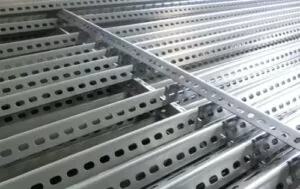
To maximize the benefits of expanded metal mesh and pipe flanges, it is important to choose the right specifications for each project. Factors such as material type, size, thickness, and environmental conditions should be carefully considered. Working with experienced suppliers and engineers can help ensure that the selected materials meet the required standards and performance expectations.
In conclusion, expanded metal mesh and pipe flanges are indispensable components in a wide range of industries. Their strength, versatility, and cost-effectiveness make them ideal for both structural and functional applications. By incorporating these materials into your projects, you can achieve enhanced durability, improved safety, and greater efficiency.

